Overview
eSIM technology is changing how we stay connected — no more hunting for a local SIM card at the airport, no more roaming bills. This guide covers everything: what an eSIM is, how to set one up, which devices support it, and how to get the best data plan for your next trip.
What is eSIM? How Does It Work?
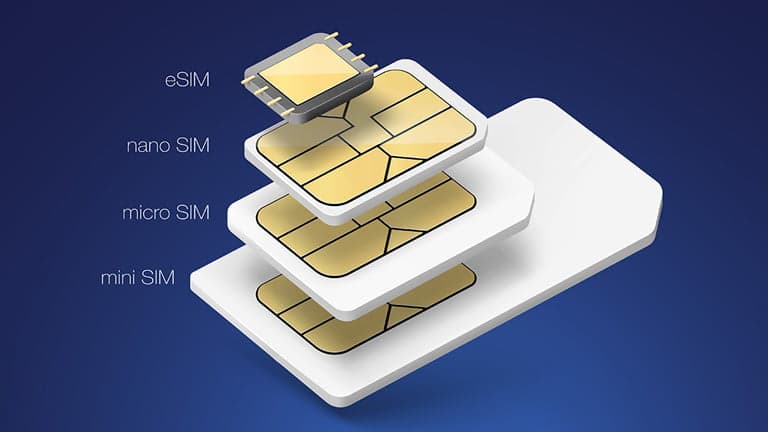
An eSIM (embedded SIM) is a digital SIM card built directly into your device's hardware. Unlike physical SIM cards that must be swapped manually, eSIMs are programmed remotely through software. You purchase a data plan online, receive a QR code or in-app activation link, scan it, and you're connected — no store visit, no plastic card. eSIMs can hold multiple carrier profiles simultaneously, letting you switch between a home plan and a local travel plan without touching your device's SIM tray.
Useful context
eSIMs are built directly into compatible devices. That removes the need for a removable SIM tray and makes switching plans much faster when you travel.
Key Benefits of eSIM for Travelers
eSIM offers major advantages over physical SIM cards, especially for international travel.
Instant Activation
Buy a plan online, scan a QR code, and you're connected — before your flight even lands
No Roaming Bills
Connect to local networks at local rates — typically 80–95% cheaper than carrier roaming charges
Keep Your Home Number
Your primary SIM stays active for calls and texts while the eSIM handles local data
Works in 190+ Countries
eSIM plans are available for virtually every major travel destination worldwide
More Secure
Hardware-embedded profiles can't be physically stolen, swapped, or cloned like a physical SIM
Eco-Friendly
No plastic card, no packaging — a fully digital solution that reduces waste
Which Devices Support eSIM in 2026?
Most modern smartphones support eSIM. Compatible devices include iPhone XS and all newer models, Google Pixel 3 and later, Samsung Galaxy S20 series and newer, and many other Android flagships. iPads with cellular connectivity (Air, Pro, Mini), Apple Watch Series 3 and later, and some Windows and Mac laptops also support eSIM. Always verify your specific model is eSIM-compatible and that your device is carrier-unlocked before purchasing a travel eSIM plan.
Who Uses eSIM and Why
International travelers use eSIM to get local data rates without swapping physical SIM cards. Business travelers maintain separate work and personal lines on one device. Digital nomads rely on eSIM for consistent connectivity across countries without committing to local carrier contracts. Frequent flyers install country-specific plans before departure so connectivity starts the moment they land. Families traveling together each use their own eSIM plan, avoiding the need to share a single foreign SIM or pay expensive family roaming packages.
How to Set Up an eSIM: Step-by-Step
Setting up an eSIM takes under five minutes. First, confirm your device is eSIM-compatible and unlocked. Go to a provider like eSIM OMNI, choose your destination, and select a data plan. After purchase, you'll receive a QR code by email. On your device, go to Settings → Cellular (or Mobile Data) → Add eSIM. Scan the QR code with your camera or enter the activation details manually. Follow the on-screen prompts to download and label the plan. Activate it when you land at your destination by toggling it on in settings.
The Future of eSIM Technology
eSIM adoption is accelerating rapidly. Apple removed the physical SIM slot entirely from US iPhone 14 and later models. Android manufacturers are following the same direction. Industry forecasts predict the majority of new smartphones will be eSIM-only by 2027. Future developments include iSIM (integrated directly into the main processor chip), AI-driven automatic carrier selection for optimal speed and pricing, and deeper integration with satellite connectivity for coverage in remote areas.