Overview
If you've ever stood in a foreign airport hunting for a local SIM whilst your roaming bill quietly climbs, eSIM was built for you. It's not new technology, but adoption has reached the point where it's genuinely useful for most UK travellers. Here's an honest look at what it is and whether it's right for your next trip.
What Is an eSIM and How Does It Work?
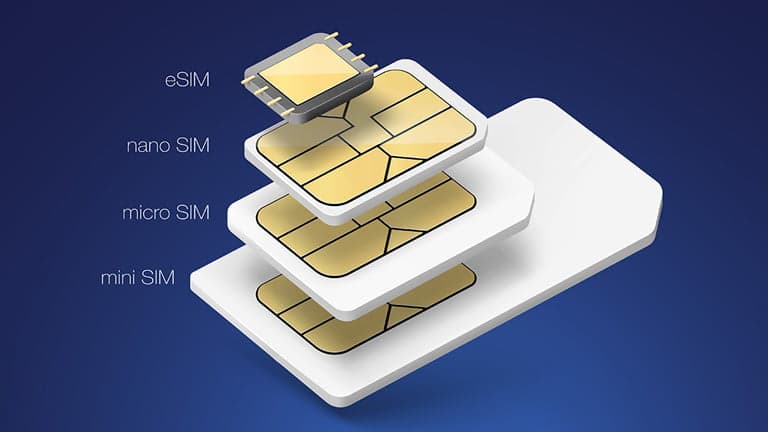
An eSIM (embedded SIM) is a digital SIM built directly into your phone's hardware — no plastic card, no ejector tool required. Instead of swapping a physical SIM when you travel, you download a carrier profile over the internet. You buy a data plan, receive a QR code by email, scan it in your phone's settings, and you're connected. Most modern devices support multiple eSIM profiles simultaneously, so you can keep your UK number active for calls whilst using a local data plan abroad.
Which Phones and Devices Support eSIM in 2026?
The list is fairly comprehensive now. iPhones from XS onwards support eSIM; from iPhone 15, the physical SIM slot has been removed entirely on US models. Android support includes Google Pixel 3 and later, Samsung Galaxy S20 series and newer, and most flagship devices from OnePlus, Motorola, and Sony. If you have a phone from the past three years, there's a good chance it supports eSIM — check your settings under 'Mobile Data' or 'SIM' to confirm. One caveat: some carrier-locked handsets have eSIM disabled, which is worth checking before you buy a plan.
eSIM vs Roaming: The Honest Comparison
UK networks charge roaming fees that vary wildly depending on your plan and destination. Within the EU, most UK operators now offer some form of roaming allowance, though post-Brexit rules differ by provider. Outside Europe — the US, Australia, Southeast Asia — costs can be significant. An eSIM data plan for the same destinations typically costs 60–85% less than operator roaming. The trade-off is that calls and SMS may use your roaming allowance rather than the eSIM, so it works best for data-heavy travellers who are happy to use WhatsApp or FaceTime for voice.
No Airport Queue for a SIM
Buy and activate before you board — connection starts when you land
Keep Your UK Number
Your primary SIM stays active for calls; eSIM handles data
Significantly Cheaper
Typically 60–85% cheaper than operator roaming rates
Works in 190+ Countries
Coverage spans virtually every destination UK travellers visit regularly
How to Set Up an eSIM: A Straightforward Guide
The setup process takes under five minutes once you have your QR code. Go to Settings, then Mobile Data or SIM, and select 'Add eSIM' or 'Add Data Plan'. Scan the QR code from your confirmation email. Your phone will download the carrier profile — name it something sensible like 'Europe Trip' — and you're done. Activate it when you arrive at your destination. A few things worth knowing: you'll need a Wi-Fi connection to download the profile, and most plans should be installed before you travel to avoid relying on airport Wi-Fi.
Where eSIM Works Best for British Travellers
Europe is the obvious starting point — eSIM coverage across the Schengen area is excellent, and most plans include multiple countries in one purchase. The US and Canada are well-served too, typically running on T-Mobile or AT&T networks. For Asia, Japan, South Korea, and Singapore have strong eSIM infrastructure. Australia and New Zealand are straightforward. The destinations where eSIM is less straightforward tend to be more remote: some African countries, parts of Central Asia, and a handful of Pacific islands have limited support. For most mainstream travel, it's a reliable choice.